Safety & Standards
Is a Russian Manicure Safe? What Nail Techs Should Know
Safe in trained hands, risky in untrained ones — here’s what actually makes the difference, and the truth about the “illegal” rumors.
A Russian manicure is safe when it’s performed by a properly trained technician who works only on dead tissue, at controlled speeds, with sterilized tools. The risks people worry about — infection, over-filing, cutting live skin — come from poor technique and inadequate training, not from the method itself. It isn’t banned as a technique in most countries, though regulators restrict working on living skin in any manicure.
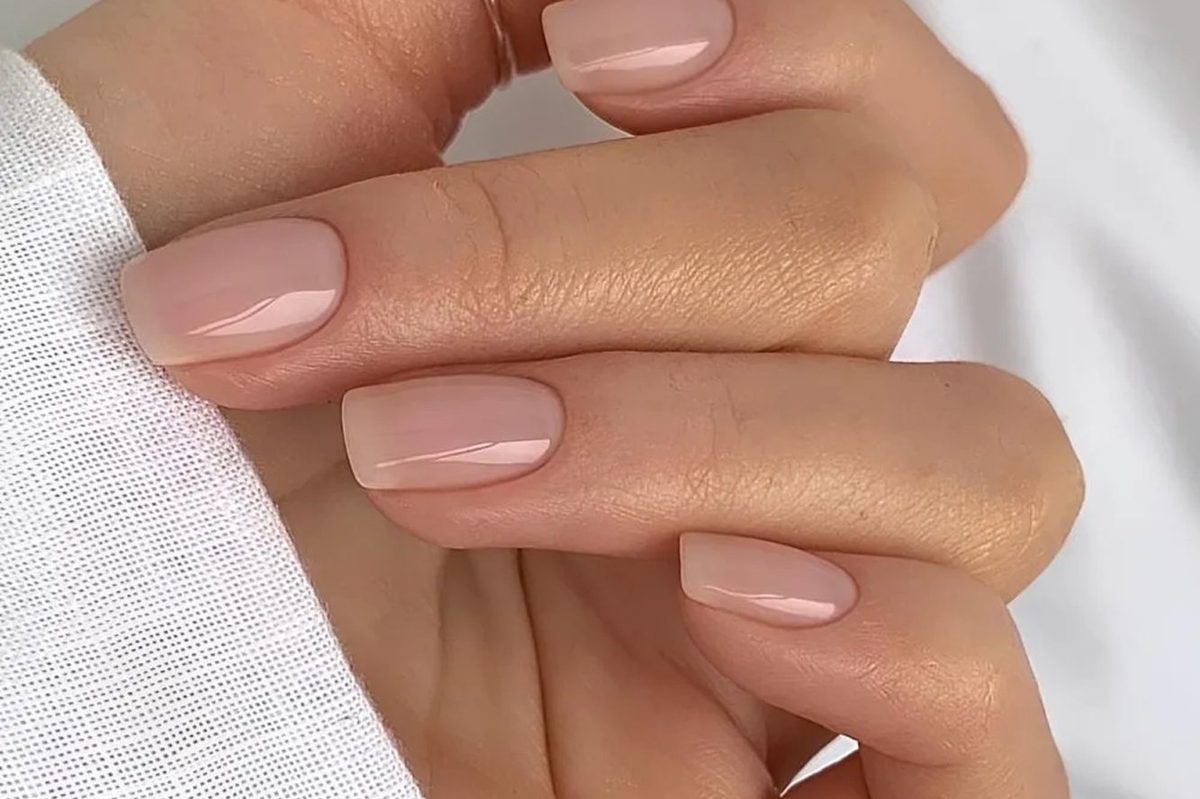
Few nail services are argued about as much as the Russian manicure. It’s one of the most sought-after techniques in the world, covered everywhere from TikTok to the mainstream beauty press, and at the same time it’s trailed by rumors that it’s “dangerous” or “illegal.” For a technician deciding whether to offer it — or a client deciding whether to book it — the useful question isn’t “is it safe?” in the abstract, but “what actually makes it safe or unsafe?” (If you need the basics first, read what a Russian manicure is.)
Where the “dangerous” reputation came from
The technique’s bad reputation is mostly a training problem wearing a safety costume. As demand exploded, technicians rushed to add the service after watching online tutorials or taking a quick weekend class — without the anatomical grounding the work requires. Some misjudged the tiny distance between dead and living tissue, cut into the living eponychium, and caused injuries. To sidestep scrutiny, parts of the industry either dropped the service or quietly renamed it a “dry” or “European” manicure. Regulatory warnings about using electric files near live skin — sensible guidance — got repeated online as if they were outright bans.
The real risks — and what causes them
The genuine hazards are specific and, importantly, preventable:
- Cutting living skin. The eponychium is living tissue; the thin dead strip that moves out from under it is the cuticle. A trained tech removes the dead pterygium and cuticle and never the living fold. Confusing the two is where injuries start.
- Over-filing the nail plate. The dorsal layer is the thin top layer that gives coatings their grip. File through it and you weaken the nail and invite lifting — and a silicone polisher should never touch the plate at all.
- Thermal and chemical burns. Too much speed or pressure generates heat; a base coat cured too thick can burn in the lamp. Both are controlled by technique, not luck.
- Infection and cross-contamination. The real driver of infection isn’t the method — it’s unsterilized tools. Reusable bits and instruments have to go through a full processing chain, and files and buffers are single-use.
Anatomy is the safety system
Everything above comes back to one thing: knowing exactly what you’re touching. A technician trained in nail anatomy can read where the matrix, the living eponychium, the dead cuticle and the pterygium begin and end, and works only the tissue that’s meant to be removed. That knowledge — not a steady hand alone — is what keeps the drill on dead skin. Mainstream dermatology is more cautious still: the Mayo Clinic advises against having cuticles removed at all, because they seal the skin to the nail plate and removal can lead to infection, and the American Academy of Dermatology says never to cut or forcefully push back cuticles. That caution is why correct technique takes only dead tissue and never the living fold. It’s the reason a serious program spends its early modules on structure and disorders before it ever gets to technique.
Contraindications matter too. A safe technician also knows when not to work — over infections, fungal conditions, open cuts, onycholysis or other visible abnormalities. A visible deviation from healthy nails and skin is grounds to refuse the service, not to push ahead.
Sanitation is what makes it repeatable
Skill keeps a single service safe; sanitation keeps every service safe. State health authorities set the minimum — for example, Connecticut’s Department of Public Health requires every tool to be cleaned and then fully immersed in an EPA-registered, hospital-grade disinfectant before it is used on a client, and lists nail files (unless made of metal, glass or crystal), foam buffer blocks and paper sanding bits as single-use. Reusable metal instruments go further, through the full chain taught in the course — rinse under running water, disinfect, pre-sterilization cleaning, then sterilization — and single-use items (files, buffers, orange sticks) are never reused. The CDC’s nail-hygiene guidance is blunt on this: in commercial settings, nail tools must be sterilized before use. Done properly, this is what removes the infection risk that gives the technique its scary headlines.
Is a Russian manicure illegal?
The Russian manicure is not banned as a technique in most countries, and the “illegal” label rarely holds up. What regulators everywhere focus on is the same tools-and-tissue rule that applies to all manicures: using an e-file or sharp instruments on living skin, and removing living tissue, is what’s restricted — not the dry technique itself. In the US that comes from state cosmetology boards; in the UK from health-and-safety guidance on not cutting live skin; and comparable rules exist across the EU and beyond. A correctly performed Russian manicure removes only dead tissue, so it stays within that line wherever you work. Because the specifics vary by country and region, the responsible move for a technician is to confirm the rules with the local regulator or cosmetology board, and for a client, to ask about a technician’s training.
The takeaway: safety is a training question
Strip away the myths and the picture is consistent: the Russian manicure is one of the cleanest, longest-lasting services available — in trained hands. The danger lives in the gap between the technique’s demands and a technician’s preparation. Closing that gap is the entire point of proper training: anatomy, safe e-file work, cuticle technique and sanitation, learned as a system rather than copied from a clip. If you’re going to offer it, learn it properly — with structured Russian manicure training. To compare programs, see how to choose an online Russian manicure course.